Surgery
The Discipline of Surgery specialises in teaching and research focused on the impact of disease and trauma, effective techniques and technology to repair or alleviate these, treatment outcomes and coaching for surgeons.
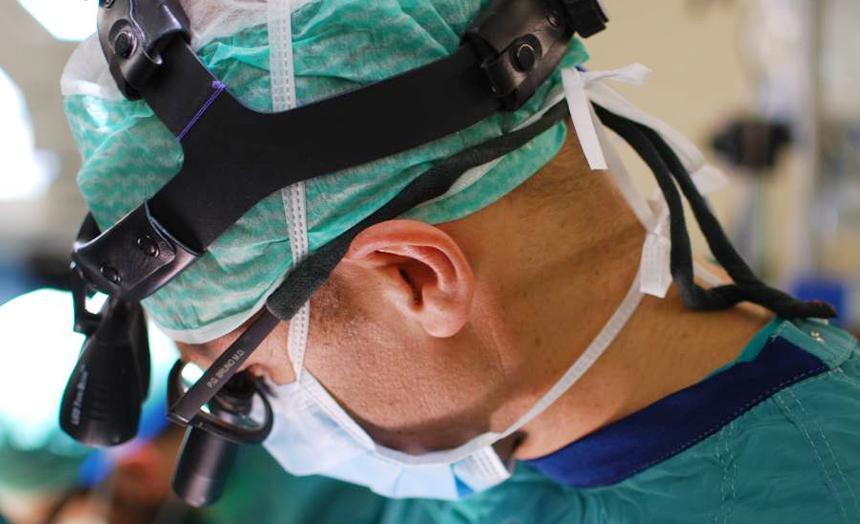
The Adelaide Medical School’s Discipline of Surgery is a major centre for surgical research and undergraduate and postgraduate teaching in medicine and surgery, producing over 160 papers annually.
The discipline has strong connections with two major teaching hospitals: the new Royal Adelaide Hospital and The Queen Elizabeth Hospital. It also has a presence at the Lyell McEwin Health Service, and representation in a number of rural facilities, including:
- Mt Gambier
- Whyalla
- Port Lincoln
- Port Augusta
This collection of hospitals provides a mix of rural and major city hospital teaching, as well as the opportunity to allow easy referral of patients between appropriate centres.
Wide-ranging research
The discipline has a dynamic research focus. Researchers undertake a broad range of investigations across five core areas:
- Upper Gastrointestinal and Hepatobiliary Surgery
- Breast Endocrine Surgery
- Vascular Surgery
- Otolaryngology (Ear Nose and Throat Surgery)
- Colorectal Surgery
- Neurosurgery
- Surgical coaching
- Innovative technology assessment
Research laboratories utilised are primarily located at The Queen Elizabeth Hospital campus within the purpose-built Basil Hetzel Institute, with large and small animal facilities on-site.
Studying honours and higher degrees by research
There are many opportunities to undertake an honours degree in the Discipline of Surgery at either the Royal Adelaide Hospital or The Queen Elizabeth Hospital. For more information, see our honours and higher degrees by research application information. Honours is available for the Bachelor of Health and Medical Sciences (Honours) degree.
Postgraduate study
We also teach into a range of postgraduate coursework and research degrees, including:
- Doctor of Philosophy
- Master of Philosophy
- Master of Philosophy (Clinical Science)
- Master of Philosophy (Medical Science)
- Master of Philosophy (Ophthalmology)
- Master of Philosophy (Surgery)
- Master of Clinical Science
- Master of Minimally Invasive Surgery
Clinical research facilities
The Discipline of Surgery at The Queen Elizabeth Hospital has access to a fully equipped molecular laboratory. This facilitates the use of biotechnological approaches to answer fundamental questions about gene expression in these pathological settings. As well as excellent basic science laboratories, there is also a very busy and well-equipped animal house.
Research laboratories are primarily located at The Queen Elizabeth Hospital campus within the Basil Hetzel Institute, with large and small animal facilities on-site.
Scholarship opportunities
The University of Adelaide offers a number of scholarships to potential and currently enrolled undergraduate and postgraduate students, and there are also many others funded by industry and non-profit organisations.
Just one example is our Research Travel Scholarships, which enable students to study abroad at some of the most prestigious institutions in the world. It’s an experience that could open the way for you to engage in cross or in-discipline collaboration with top researchers the world over.
Becoming a surgeon
If you are interested in becoming a surgeon, see the Royal Australasian College of Surgeons website for more information.
Contact us
Staff and facilities
- View the full Discipline of Surgery staff and facilities directory